If you have been following immigration news in South Florida, you may have heard the nickname “Alligator Alcatraz.” It refers to a Florida-run immigration detention site built at the Dade-Collier Training and Transition Airport inside or adjacent to protected Everglades/Big Cypress lands in Ochopee (west of Miami).
For families in Miami, Broward, and Palm Beach counties, the bigger question is not the nickname. It is what detention there can mean for a loved one’s safety, access to counsel, bond options, and the speed and fairness of immigration proceedings.
At Pozo Goldstein, LLP, our team brings decades of combined experience to deportation defense and complex immigration matters, including leadership you can trust in high-stakes cases. If you need a Miami immigration lawyer because a family member has been detained or is at risk of detention, getting the right legal plan in place early can make a major difference.
Why It’s Called “Alligator Alcatraz”
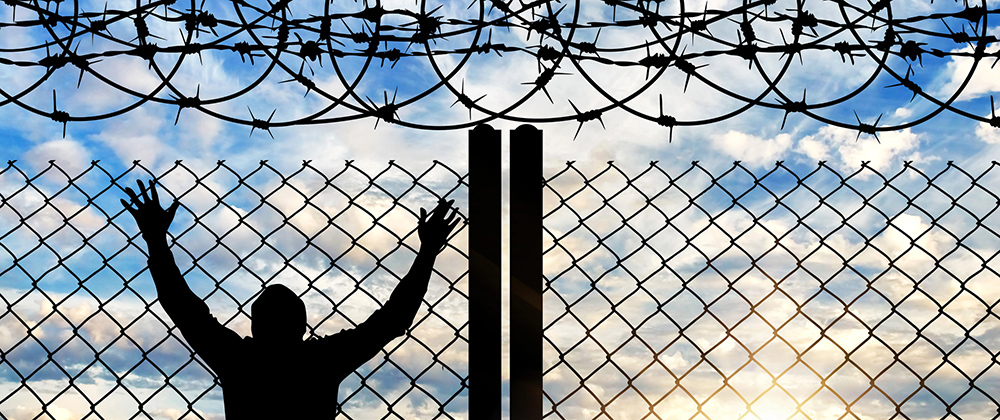
“Alligator Alcatraz” is a political and media shorthand that plays on two ideas: the region’s wildlife and isolation, and a comparison to the infamous federal prison Alcatraz. The facility is widely reported as having been constructed rapidly and designed to hold thousands of people in a remote, swamp-adjacent environment.
Whatever name is used, it functions as an immigration detention center where non-citizens may be held while the federal government pursues removal (deportation) cases or other immigration proceedings.
Who Can End Up Detained There
Detention is not limited to one “type” of immigrant. People can be detained for a wide range of reasons, including:
- alleged immigration status violations
- old or new immigration court matters
- certain criminal arrests or convictions (even if the case is pending or years old)
- prior removal orders, missed hearings, or alleged violations of release conditions
Public reporting on the Everglades facility has included allegations that some detainees are held on immigration violations rather than new state criminal charges, while Florida officials have emphasized that many arrests involve individuals with prior records. In real life, the facts vary case by case, which is why individualized legal review is essential.
Key Concerns Reported About Conditions and Access to Counsel
A major reason this facility has drawn national attention is the volume of allegations about conditions of confinement and limited attorney access.
Detainees and attorneys have described problems such as sanitation issues, extreme heat, insects, delayed medical care, and barriers to meeting with lawyers or communicating effectively with family. Officials have disputed some accounts, but multiple lawsuits and investigations continue to focus on these concerns.
Why does access to counsel matter so much? Because immigration detention can move fast, and detainees often face deadlines for:
- bond requests
- credible fear or asylum-related steps
- motions to reopen or reconsider
- defenses like cancellation of removal, adjustment of status, waivers, or relief under CAT
Even short delays in reaching a lawyer can affect evidence gathering, witness statements, and strategy.
What Standards Are Supposed to Apply in Immigration Detention
Immigration detention facilities are generally expected to follow ICE detention standards, including rules addressing medical care, communication, grievance procedures, and legal access. One major framework is ICE’s Performance-Based National Detention Standards (PBNDS), which include provisions intended to increase access to legal services and improve health-related services.
In practice, standards compliance can be uneven, especially in rapidly created or unusually located facilities. When lawyers raise concerns, they may use these standards as part of advocacy for improved access, documentation, and sometimes court intervention.
The Legal Battles Surrounding “Alligator Alcatraz”
The facility has also been challenged from multiple angles:
- environmental review and permitting concerns tied to its location in/near protected lands
- tribal and cultural land concerns, including objections raised by the Miccosukee Tribe
- civil rights and conditions claims by detainees and advocacy groups
- disputes over oversight and access, including litigation related to who can inspect or enter the site
Courts have addressed aspects of construction and operations, and there have been rulings and appeals that affect what happens next. This is a developing legal landscape, and outcomes may change as cases proceed.
What Families Should Do If a Loved One Is Detained
If someone you care about is detained, here are steps that are often helpful immediately:
- Write down identifying information
Full legal name, date of birth, country of birth, and A-number (if known). - Preserve immigration and court documents
Prior notices, hearing papers, bond paperwork, old removal orders, and any proof of lawful entry or pending applications. - Document medical needs and vulnerabilities
If there are urgent health issues, gather prescriptions, diagnoses, and provider letters. - Avoid assumptions about eligibility
Some people assume detention automatically means “no bond” or “no options.” That is not always true, and it depends on facts like entry history, prior orders, criminal history, and the specific charges in immigration court. - Call an experienced Miami immigration lawyer early
Early intervention helps your attorney identify the court with jurisdiction, pursue bond (when available), request records, and begin building relief defenses before deadlines close.
How Pozo Goldstein, LLP Can Help
Detention cases require speed, strategy, and credibility. Pozo Goldstein, LLP is built for high-stakes immigration matters. The firm highlights a team that includes a former Miami-Dade judge and former immigration prosecutors, experience that can be valuable when anticipating how the government will frame a case and how best to respond.
Whether your concern involves detention at Alligator Alcatraz, a transfer to another facility, or a removal case that has suddenly accelerated, our attorneys can evaluate your options and take action to protect your rights and your future in the United States.
Call Pozo Goldstein, LLP Today
If you or a loved one is facing detention or deportation in South Florida, do not wait. Contact Pozo Goldstein, LLP to speak with a Miami immigration lawyer about your situation, your potential defenses, and the fastest path forward. When your freedom and your family are on the line, experienced legal guidance matters. Call Pozo Goldstein, LLP today at 305-856-0400.